

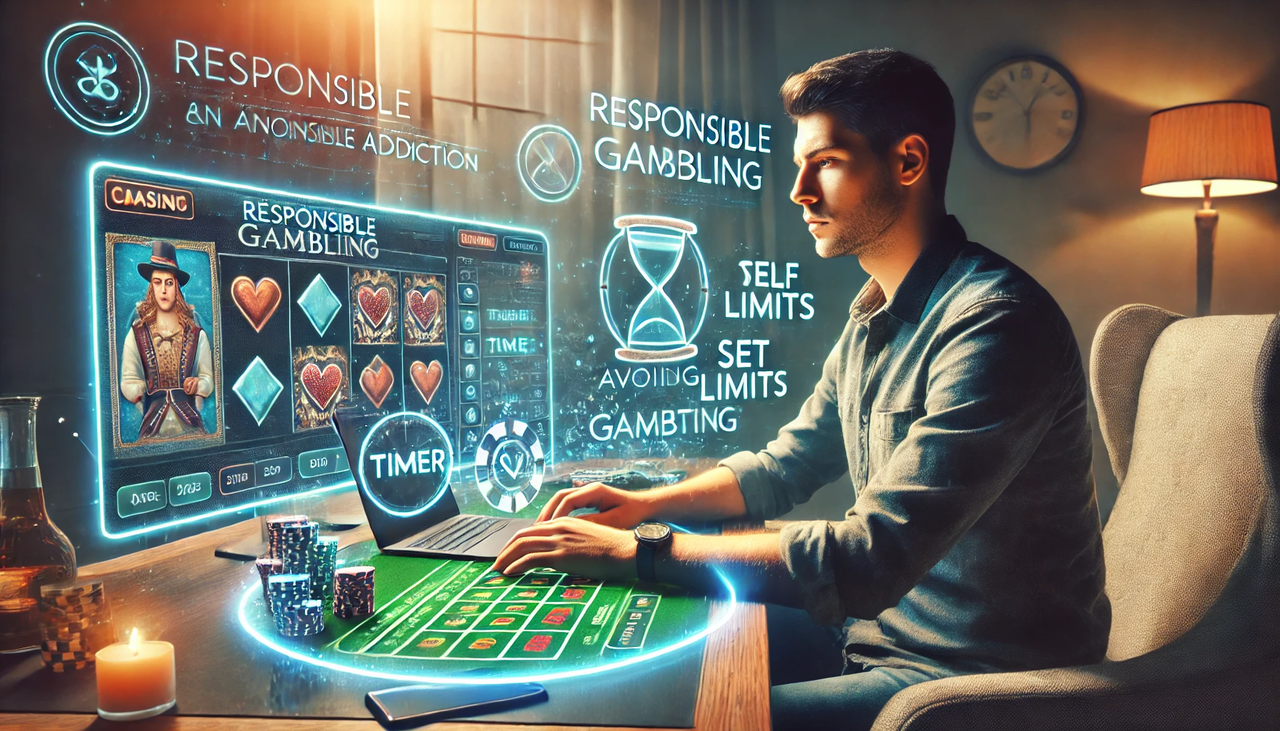
Slot games are among the most popular and engaging casino games worldwide. With their flashing lights, exciting themes, and the potential for huge rewards, they attract millions of players. But what makes slot games so addictive, and why do players keep returning to them despite knowing that the odds are stacked against them?
The psychology behind slot games is intricate. The combination of design, rewards, and the emotional highs they trigger keeps players hooked. This article explores the psychological factors that make slot games so compelling and what keeps players spinning the reels.
The Basics of Slot Game Design
The design of slot games plays a significant role in their addictive nature. Developers use various techniques to create an environment that appeals to our brains. The combination of bright colors, engaging sounds, and visually stimulating graphics grabs players' attention and creates an immersive experience.
At PitBet casino, the design of slot games is no different. Developers use dynamic animations, themes ranging from ancient Egypt to futuristic cities, and an array of sound effects to keep players engaged. These elements contribute to a sense of excitement and reward, making players feel like they are always on the verge of winning.
In addition to visual stimulation, slot games are designed to give players an illusion of control. The anticipation of a win and the ability to choose the number of lines or the bet size gives the impression that players are controlling their outcomes. This sense of control keeps them engaged, even when the outcome is entirely random.
Variable Rewards and the “Near Miss” Effect
One of the primary psychological triggers in slot games is the concept of variable rewards. Players don’t know exactly when they will win, and this uncertainty keeps them coming back for more. This variable reinforcement works on the brain’s reward system, where unexpected rewards feel more rewarding and are more likely to induce repeat behavior.
The “near miss” effect plays a huge role in why players keep spinning. In this situation, players are close to hitting the jackpot but fall short. For instance, seeing two matching symbols and one more just short of the third symbol creates a sense of frustration but also the belief that they were close. This feeling of "almost winning" is powerful enough to encourage players to keep playing, as it triggers the brain's reward system in the same way as an actual win.
The Role of Music and Sound Effects
Music and sound effects are essential components of slot games. Developers know that sound plays a major role in creating excitement and anticipation. Every win, no matter how small, is accompanied by triumphant sounds that enhance the player’s emotional connection to the game. These auditory cues build excitement and elevate the experience.
For example, when a player hits a small win, the sound effect plays a significant role in how rewarding the experience feels. Similarly, the sound of a jackpot win is designed to create an emotional high. These elements, combined with flashing lights and bonus animations, create a sense of accomplishment.
By playing on the player's emotional state, sound effects increase the immersion in the game. The more intense and enjoyable the auditory experience, the longer players stay engaged and entertained.
The Illusion of Progress and Engagement
Many slot games include bonus rounds, progress meters, or achievements that provide players with a sense of progression. These features are designed to satisfy our psychological need for achievement and reward. As players unlock levels, collect bonuses, or fill up progress bars, they feel as though they are making significant strides in the game.
This sense of progress is a powerful motivator. The brain is wired to enjoy completing tasks and reaching milestones, and slot games leverage this by offering small wins or visual markers that indicate progress. These features enhance engagement and encourage players to keep playing in pursuit of the next reward.
The "level-up" mechanic in some games, where players unlock new features or higher rewards as they play, further deepens this sense of progression. It creates an ongoing challenge, making the game feel less like a repetitive activity and more like a journey.
Reward Systems: Reinforcement and Motivation
Intermittent reinforcement is one of the core psychological principles that make slot games addictive. Players receive rewards at unpredictable intervals, which keeps them invested in the game. A small win here and there encourages players to keep playing, hoping that the next win will be bigger.
The presence of bonus rounds, free spins, and jackpots keeps the excitement alive. These rewards keep players coming back, as they associate the game with the thrill of winning. The more unpredictable and varied the rewards, the stronger the motivation to continue playing becomes.
The Social Aspect of Slots
In recent years, many online casinos have added social features to their slot games. These features allow players to share their wins, compete on leaderboards, or engage with others in real-time. This social aspect taps into the human need for connection and validation, making the experience of playing slots even more immersive.
Sharing wins or achievements on social media can trigger a sense of pride and accomplishment. Players may also feel a sense of belonging by participating in community challenges or promotions. This social engagement can keep players coming back to the game, as they enjoy the recognition and interaction with other players.
Conclusion
Slot games are designed to keep players engaged through a combination of psychological triggers. From variable rewards to the near miss effect, every aspect of a slot game is aimed at creating an addictive, exciting experience. Music, sound effects, and visual elements further enhance this experience, keeping players immersed.